IT controlling · Finance · Automation

Finance. Automation. Better ways of working.

I don’t just report how work happens. I build better ways to do it.

See what I built

Scroll to explore

Capabilities I Bring

The work and experience behind each one.

  • Finance & IT Controlling

    I have spent nearly seven years working with IT budgets, forecasts, financial reports and management decisions. I understand both the numbers and the processes behind them.

    Proof

    • Planning, forecasting and financial oversight across a significant CAPEX and OPEX budget
    • Responsibility spanning more than 100 cost centres and over 20 projects
    • Financial analysis and decision support for senior and executive management
    • Experience covering planning, forecasting, budget control, plan-versus-actual analysis and year-end closing
  • Process Improvement

    Most processes do not need to be reinvented. I prefer to understand where unnecessary work comes from, clarify who should own it and improve the process from there.

    Proof

    • Introduced a planned, more frequent forecasting structure, with portfolio data cleaned after each cycle and the approach later refined further by the team
    • Refocused the team’s workflow portfolio on controlling by developing colleagues, removing non-controlling tasks and involving partner functions where ownership belonged elsewhere
    • Helped take a controlling standardisation initiative from executive interviews and requirements gathering through to design, including subject areas, target groups, KPIs, MVP scope and roadmap
    • Transformed a recurring manual Excel report, first through VBA automation and later by moving it to Power BI
  • Automation & Digitalisation

    I started by building small tools for problems directly in front of me. Over time, that developed from early Excel experiments and VBA automation into reporting transformation and Power Platform workflows.

    Proof

    • Built a simple forms-based Excel product catalogue early in my career
    • Automated recurring customer presentation preparation with PowerPoint VBA
    • Built an Excel VBA reporting solution later adopted by another controlling team
    • Designed and built the data foundation, business rules and workflows behind CSAP
  • Working with AI

    I use Copilot and Claude to explore ideas, challenge assumptions and support the work. I decide what we build, put it together, test it and take responsibility for the result.

    Proof

    • Reviewed and changed the proposed MVP scope, keeping additional features out until there was a clear business need for them
    • Continued testing after the initial checks had passed and found an implementation error that would otherwise have gone unnoticed
    • Designed a practical unauthorised-user test and verified that the security control worked inside the automation, not only in the user interface
  • Turning Ideas into Working Solutions

    I enjoy taking an initial idea, working out what it actually needs and turning it into something that works. I plan before I build, but I am also willing to change the plan when testing shows a better direction.

    Proof

    • Turned a broad financial-process idea into the structured requirements, data model, business rules, workflows and tests behind CSAP
    • Taught myself Excel VBA to solve a recurring reporting problem
    • Took the portfolio website you are currently viewing from an initial idea to a designed, tested and published bilingual site
  • Capability Building

    I have helped colleagues move into specialist roles, develop new technical skills and find practical ways to reduce repetitive work.

    Proof

    • Helped reshape a mixed-role team into a focused IT controlling team
    • Supported colleagues in moving from operational-support roles into IT controlling specialist positions
    • Encouraged team members to follow learning paths based on their interests, including automation, data, SQL and Microsoft Power Platform
    • Created training materials and delivered structured billing-process knowledge transfer across teams

Built

From Reporting to Building

I have spent nearly seven years working with financial processes, reports and forecasts. During that time, I saw how easily manual steps and spreadsheets become permanent parts of a process, even when everyone involved knows there should be a better way.

I still like Excel. It helped me automate my first monthly report and showed me how much time a practical solution can give back. But it also made me curious about what comes next, especially when the problem is bigger than a single file.

Later, I discovered Power BI and saw an opportunity to turn that same financial report, spread across more than 20 Excel worksheets, into something more focused, visual and useful for management. It also gave me my first opportunity at OTP Bank to work directly with a managing director and understand what senior management actually needed from the report.

That same curiosity eventually led me to Power Platform. And here I am, building CSAP with Copilot on my team. I started with only very limited hands-on Power Platform experience, worked through the business and technical decisions, tested what I built and changed direction when the evidence showed that I should.

I’m still learning, but I’m no longer only describing how financial processes work. I can now start building a better version of them.
Automation Journey

A few small experiments gradually became a professional direction.

  1. Excel experimentation
  2. task automation
  3. reporting automation
  4. reporting transformation
  5. process automation
  1. Where it started

    A searchable Samsonite catalogue

    From
    Product information that had to be found manually in online or printed catalogues
    What I built
    A searchable, forms-based catalogue that presented Samsonite product details in a clear and organised format
    Result
    Faster access to product information through a tool that remained open and ready to use throughout the day

    Long before I thought about automation as a professional direction, I was already experimenting with ways to make everyday work easier.

    I obtained a CSV file containing the available Samsonite product data and used it to build a simple forms-based catalogue in Excel. The catalogue stayed open during the day: enter a product code or name, and the relevant product details appeared without having to search through a website or printed catalogue.

    This was the first project that completely drew me into building something of my own. I worked on it whenever I had spare time and was genuinely proud of the result.

  2. Making repetitive work repeatable

    PowerPoint VBA for customer kick-off decks

    From
    Customer kick-off decks assembled manually, with differences in content and formatting
    Automation
    PowerPoint VBA populated and formatted a standard presentation structure using customer- and implementation-specific information
    To
    A consistent, ready-to-review kick-off deck produced in around 30 minutes instead of four to five hours

    The kick-off meeting was the first formal meeting with the customer and an important first impression at the beginning of each billing migration.

    Two implementation teams prepared these presentations, and each person built the deck manually. The content and formatting weren’t always consistent, while the same types of customer, market, timeline and implementation information had to be added each time.

    I built a PowerPoint VBA solution that used structured source information to create much of the presentation automatically. This made deck preparation faster and introduced a more consistent starting point for both teams, while still leaving room to review and adapt the presentation for each customer.

    Preparation time fell from approximately four to five hours to around 30 minutes per deck.

    Recreated demonstration based on the original workflow.

  3. Automating the monthly cycle

    Excel VBA for recurring financial reporting

    From
    Two working days of repetitive monthly report preparation
    Automation
    Excel VBA handled most of the data preparation and created the report’s PivotTables
    To
    A repeatable process completed in approximately half a day

    At OTP Bank, I inherited a monthly financial report spread across more than 20 Excel worksheets. Preparing it took around two working days each month. The process had worked this way for years, but that didn’t feel like a good enough reason to keep doing it manually.

    The work started with SAP source reports and continued through several repetitive preparation steps before the PivotTables and management charts could be produced.

    I taught myself Excel VBA with a lot of help from Google searches and the Stack Overflow community. VBA took over most of the repetitive preparation and created the PivotTables, leaving the final charts and review for me.

    The monthly effort fell to approximately half a day, and another controlling team later adopted the solution for its own reporting.

    Recreated demonstration based on the original workflow.

  4. Moving beyond the spreadsheet

    From Excel reporting to Power BI

    From
    A VBA-supported Excel report spread across more than 20 worksheets
    Transformation
    The existing financial logic and management requirements redesigned for an interactive Power BI dashboard
    To
    A more focused management report with a recurring update process of around 30 minutes

    The VBA solution made the monthly process much faster, but the report still lived in an Excel workbook with more than 20 worksheets. It needed regular maintenance, and I felt we had reached the point where further automation would only improve the existing format rather than move beyond it.

    When I discovered Power BI, I saw an opportunity to rethink the same report.

    Before we started designing the new solution, I worked directly with the managing director to understand what information was actually needed. The aim was to focus on the figures and trends that supported management decisions and remove everything that added little value.

    I initiated the move to Power BI and represented the business side throughout the project. I translated the existing financial logic into requirements, contributed to the dashboard design and tested the new output against the established report. Once the figures and analytical logic were working as intended, I provided business acceptance. The technical development was carried out by an external specialist.

    Preparing the source files, loading the data and refreshing the dashboard took around 30 minutes. More importantly, the solution turned the same underlying information into something more visual, easier to explore and better aligned with management needs.

  5. Power Platform

    The next step

    Guided exercises, innovation work and an imperfect first attempt at process automation eventually led to a much larger AI-supported project.

My flagship project

Corporate Services Automation Platform

CSAP is my personal portfolio project, built around a realistic business problem: how to manage requests that require both approval and financial control without relying on disconnected emails and spreadsheets.

It uses Dataverse and Power Automate to connect structured request data, financial validation, exchange rates, budget controls and approval workflows in one traceable process.

My aim with CSAP is to gain hands-on, practical experience by building a focused MVP that is understandable, testable and useful.

Current capability

  • Financial validation
  • Multi-currency handling
  • FX-rate maintenance
  • Budget-capacity checks
  • Approval routing
  • Clarification and exception handling
  • Traceable approval history

Project principle

Human-led and built. AI-supported. Tested in practice.

  • I own: context, decisions, implementation, testing and outcome.
  • Copilot supports: research, architecture, critical review and debugging.
  • Claude: planned UI support.

For a few years, my own technical development received less attention while I was becoming a leader and building a stronger controlling team.

During that period, I took part in an OTP LAB innovation challenge as a member of two different teams. One developed LEVITA, a management-information concept. The other developed Sharely, a workstation-booking concept that won first place.

A later attempt to automate forecasting with two peer controlling teams resulted in a dashboard maintained through several manual tables. It wasn’t the automation we had originally imagined, but it taught me that putting a dashboard on top of a process doesn’t necessarily make the process simpler.

My interest in Power Platform became much stronger at an OTP LAB open day, where guided exercises gave me enough hands-on exposure to start thinking seriously about use cases of my own.

When CSAP began, my practical Power Platform experience was still very limited. The project moved me from guided exercises and concepts to a much larger AI-supported build, where I make the design decisions, implement the solution, test the results and remain responsible for what we build.

I worked through the requirements, process design, data model and financial rules before building the Dataverse foundation and Power Automate workflows. Testing has been part of the work from the beginning, and I’ve changed both the design and the scope when the evidence showed that I should.

Building this as a private individual comes with technical limitations. I treat those as design constraints rather than excuses: simplify where it makes sense, find practical ways to test the important controls and clearly document what couldn’t be validated in the same way as it would be in a full organisational environment.

My role

  • Business analysis and requirements definition
  • Financial-process and control design
  • Dataverse data modelling and implementation
  • Power Automate workflow design and build
  • Runtime and exception testing
  • Scope decisions and documentation
  • Final responsibility for the working solution

Created with

  • Microsoft Dataverse
  • Power Automate
  • Power Apps
  • Microsoft Copilot
  • Claude, planned UI support

AI-supported portfolio project

This Portfolio

Building the exhibition while learning the tools.

This website started with a simple idea: create something more personal and useful than another version of my CV.

I shaped the concept, wrote and reviewed the content, made the product and design decisions, and tested the result. Copilot supported the research, structure and critical review, while Claude Code handled the technical implementation under my direction.

I’m not a web developer, and this project isn’t intended to suggest otherwise. It shows something more relevant to the direction I’m taking: I can turn an idea into a structured concept, work effectively with AI tools, challenge their output and guide the process towards a result I’m prepared to stand behind.

Project principle

Human-led. AI-supported. Directed, reviewed and tested in practice.

  • I own: concept, content, decisions, direction, review, testing and outcome.
  • Copilot and Claude support: research, structure, critical review, technical implementation and debugging.

Professional Career

  1. OTP Bank

    Period: February 2020 – Present

    Role progression:

    1. IT Controlling CoE Lead
    2. IT Business Management Controller Consultant
    3. Senior IT Financial Controller
    4. IT Financial Controller

    I joined OTP Bank as an IT Financial Controller. Over the following years, my responsibilities grew from planning, forecasting and monthly reporting to leading a specialist controlling team and working directly with senior management.

    1. IT Controlling CoE Lead

      February 2023 – Present

      • I led a specialist IT controlling team responsible for planning, forecasting and budget control across a significant CAPEX and OPEX budget, covering more than 100 cost centres and over 20 projects.
      • A large part of my work was helping management understand where the budget was heading, where pressure was likely to emerge and what could still be changed. I worked closely with senior and executive stakeholders and supported decisions on cost control and budget allocation.
      • Inside the team, I introduced a more structured forecasting approach and gradually moved activities that did not belong in controlling to more appropriate functions. My aim was to turn a team built from different types of roles into a focused IT controlling team, with more time for financial analysis and decision support.
      • My longer-term vision was an 80/20 balance: 80% controlling and 20% creative work serving a real team or organisational goal. That creative part could mean automation, process improvement or simply finding a better way to handle repetitive work. As automation reduced more of the routine workload, I wanted that balance to move gradually towards more creative work.
      • To make that vision practical, I encouraged colleagues to explore Excel VBA, data, SQL and Microsoft Power Platform based on their own interests and the problems they wanted to solve. Colleagues moved from operational-support roles into IT controlling specialist positions as the team developed.
    2. IT Business Management Controller Consultant

      December 2022 – February 2023

      • This was an interim role created during an organisational transformation, and it happened to coincide with year-end closing.
      • Most of my time was therefore focused on closing-related analysis and coordination. I worked as the main financial contact for senior management, brought together the available information and helped create a clear picture of the financial position.
      • When I found allocation or accounting issues, I worked with the relevant business and finance teams to correct them, checked the results and made sure the remaining risks were visible to management.
    3. Senior IT Financial Controller

      June 2022 – December 2022

      • I coordinated a bottom-up CAPEX and OPEX planning process for more than ten projects, including the methodology, timeline and several planning rounds.
      • Around this time, I discovered Power BI and quickly saw the potential to move our monthly financial report beyond Excel. Even after the VBA automation, preparing the report still took around half a day, and maintaining its exceptions, cost-centre routing and calculation logic required ongoing manual attention.
      • The report itself was designed around management needs. Working directly with a managing director helped me understand which information mattered, how it should be presented and what needed to remain visible behind the headline figures.
      • I initiated the move to Power BI and represented the business side throughout the project. I defined the financial logic and requirements, contributed to the dashboard design, tested the output and provided business acceptance. The technical development was carried out by an external specialist.
    4. IT Financial Controller

      February 2020 – June 2022

      • I worked with IT budget owners on financial planning, forecasting and monthly plan-versus-actual monitoring, bringing CAPEX and OPEX information together for management reporting.
      • The monthly report contained more than 20 Excel worksheets and took around two working days to prepare. Instead of treating that as a permanent part of the monthly cycle, I taught myself Excel VBA and automated much of the process.
      • The resulting solution reduced the preparation time to around half a day and was later adopted by another controlling team.

    Scale

    • Planning, forecasting and financial oversight across a significant CAPEX and OPEX budget, more than 100 cost centres and over 20 projects
    • Led a specialist IT controlling team of up to 10 people

    Team development

    • Gradually reshaped a mixed-role team into a focused IT controlling team
    • Supported colleagues in moving from operational-support roles into IT controlling specialist positions
    • Created a development direction around automation, data, SQL and Microsoft Power Platform

    Reporting and automation

    • Reduced monthly report preparation from approximately two working days to half a day
    • The VBA solution was adopted by another controlling team
    • Preparing the required source files, loading the data and refreshing the Power BI dashboard took around 30 minutes

    Recognition

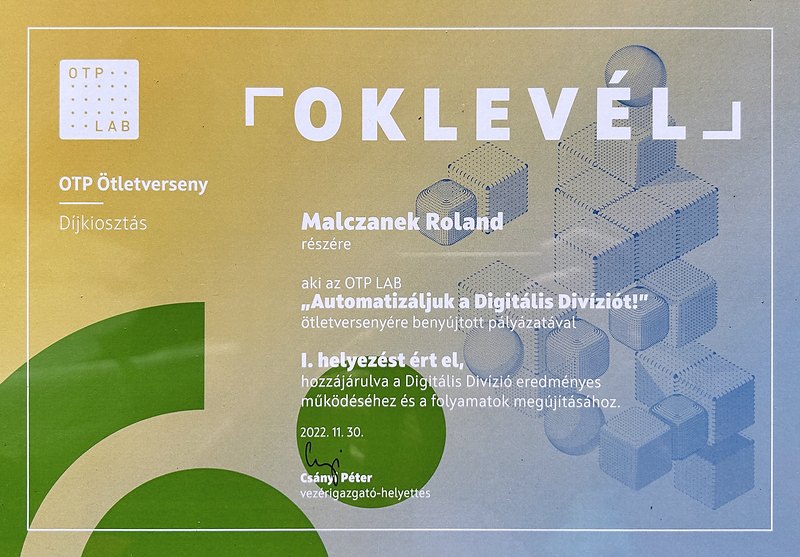
    2022 · OTP LAB Internal Automation Challenge · 1st place

    I participated as part of two different teams. One developed LEVITA, a management-information concept. The other developed Sharely, a workstation-booking application concept that won first place. My contribution focused on concept development, design and presentation rather than technical implementation.

    OTP LAB first-place certificate from 2022.

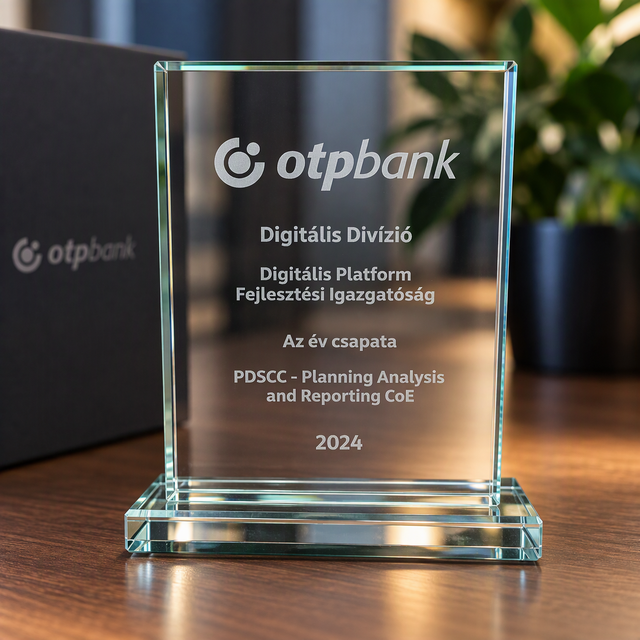
    2024 · Team of the Year · 1st place

    The IT Controlling Centre of Excellence was recognised in the first year of the directorate’s team recognition programme.

    Glass Team of the Year award from 2024.
  2. Vodafone

    Period: October 2016 – November 2019

    Role progression:

    1. Billing Transition Subject Matter Expert
    2. Billing Transition Specialist
    3. Billing Transition Associate
    • I worked on billing migrations and system changes for global enterprise customers, from the first implementation discussions through to business-as-usual operation.
    • The work connected our enterprise customers with account teams, billing specialists and local market teams across Europe. My role was to understand the requirements, turn them into a workable implementation plan and keep everyone aligned while the changes were introduced.
    • As I gained experience, I moved from supporting implementations to leading several international customer migrations at the same time. I was later promoted into a newly created Subject Matter Expert role, where I provided billing guidance across three teams while continuing to manage more complex implementations.
    • Customer kick-off meetings were an important part of the process, but preparing the presentations involved a lot of repetitive work. I used PowerPoint VBA to automate much of the deck creation, reducing the preparation time and making the process easier to repeat.
    • I also created training materials and transferred billing-process knowledge to a receiving team in Egypt through group and individual training.

    Results in practice

    • Progressed through three roles from Associate to Subject Matter Expert
    • Led five to six global enterprise customer migrations in parallel as a Specialist
    • Managed up to three complex implementations simultaneously as a Subject Matter Expert
    • Provided billing guidance across three teams
    • Reduced recurring kick-off deck preparation time from approximately four to five hours to around 30 minutes
    • Delivered structured billing-process knowledge transfer to a receiving team in Egypt
  3. Docler Holding

    Period: December 2012 – April 2015

    Role progression:

    1. Senior Customer Support Representative
    2. Customer Support Representative

    I started in customer support in Budapest and later moved to Luxembourg City after being selected for a senior international role.

    My work focused on investigating customer and technical issues, finding clear explanations and coordinating their resolution. As I gained experience, I also trained new colleagues and helped maintain the team’s shared knowledge base.

    Moving to Luxembourg gave me the opportunity to work in an international environment and take on more responsibility for sharing knowledge within the team.

  4. Reálszisztéma

    Role progression:

    1. Progression through multiple retail roles
    2. Store Manager

    During my years at Reálszisztéma, I progressed through several retail roles before becoming a Store Manager.

    As Store Manager, I led a team of five and managed the day-to-day operation of the store, including inventory, sales-based ordering and management reporting. I also handled escalated customer cases.

    This was also where I first started experimenting with Excel beyond ordinary spreadsheets. Using a product-data file supplied by Samsonite, I built a simple forms-based catalogue where entering a suitcase’s product code brought up its details.

    That’s where I first gained experience in team leadership and operational responsibility, and where my interest in building practical tools began.

Where the application ends, and Roli begins.

About

A seated person in sunglasses and a light blue T-shirt at an outdoor café table, with two coffee glasses in front of them and a sunlit square behind.

I’m a finance and controlling professional who, looking back, has always been drawn to more efficient digital ways of working. I’m not a developer or a web developer. My strength is understanding the business problem and combining nearly seven years of controlling experience with the ability to shape and deliver useful automation for finance and controlling processes, with AI support.

CSAP has made that direction tangible. It has shown me how a properly planned workflow can become a working process much faster than the traditional transformation projects I was used to seeing. That’s the direction I want to pursue: combining controlling expertise with practical, AI-supported automation.

Beyond work, the following are some of the things that help me recharge.

Karate

Beginner, deliberately

I started Goju-Ryu karate at the end of September and passed my first grading on 8 November.

One white belt, one red stripe and a useful reminder that progress starts with being
willing to be bad at something new.

There’s something refreshing about entering the dojo as a complete beginner, focusing
on the basics and seeing progress come from regular practice rather than shortcuts.

A person in a white karate uniform and white belt, standing against brushed red, navy and grey strokes.

Reading

Two books at a time

Illustration of two upright books with painted covers, one in red, grey and cream tones and one in gold and navy tones, on a pale brushed background.

I usually have two books on the go: one that teaches me something and one that simply pulls me into a good story.

Recently, those were The Richest Man in Babylon and Stephen King’s 11.22.63.

11.22.63 took its time getting started, but once it drew me in, it really did. I follow American politics daily, and I enjoy stories that weave real events deeply into fiction. This book gave me exactly that kind of experience, and so did Tamás Frei’s Kobalt.

What stayed with me most from The Richest Man in Babylon was the story of Dabasir, the camel trader: someone who could only regain freedom and self-respect by stopping his escape from responsibility.

My takeaway wasn’t simply that hard work leads to success. It was that determination becomes meaningful when it’s followed by responsibility, useful work and the willingness to develop real expertise.

That idea connects naturally with how I approach automation and AI. Not as a shortcut, but as a field where consistent effort, practical work and growing competence can create genuine value.

Music

Life with a soundtrack

I’m genuinely passionate about music. I listen to all kinds of genres, almost anywhere and whenever I get the chance. Even when I need to focus, I often keep a quiet instrumental track playing in the background.

Concerts

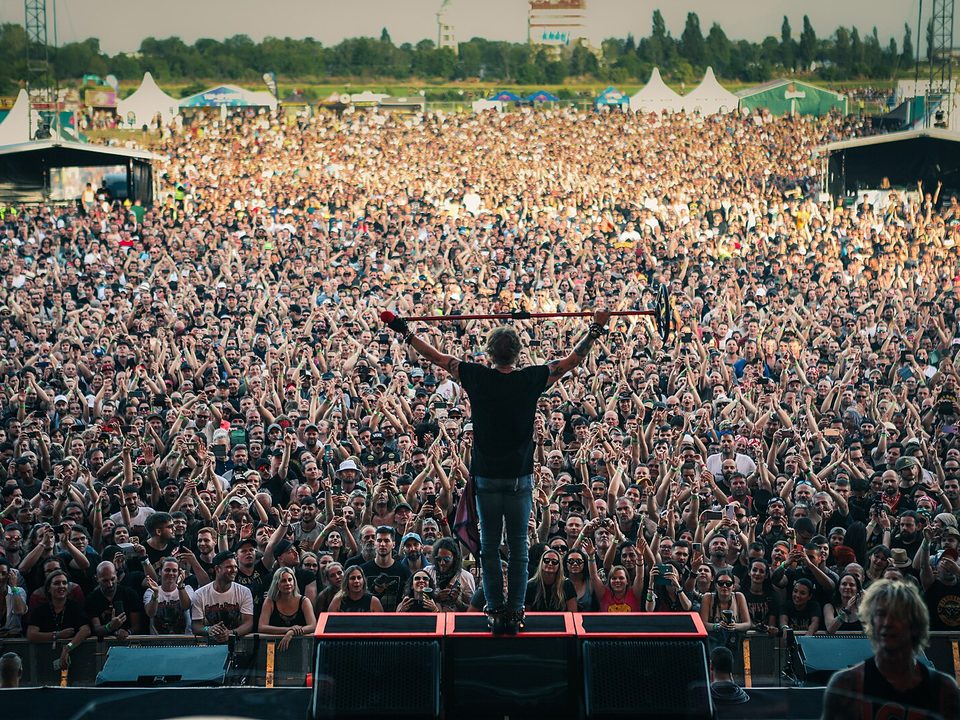
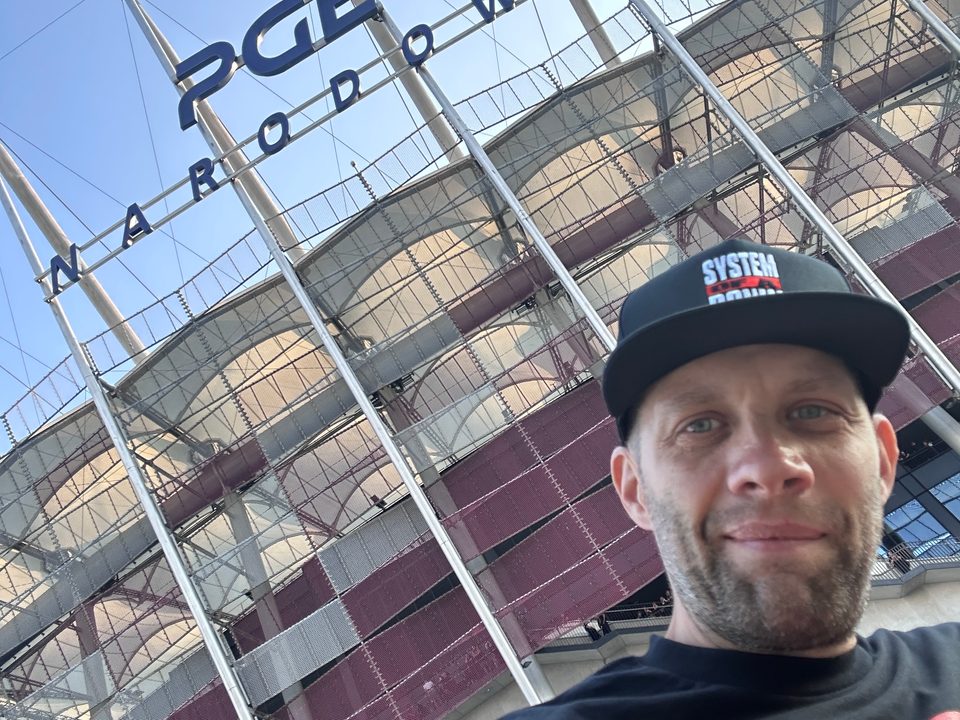
Some bands stay on the bucket list for years. I saw Guns N’ Roses in Prague in 2017. System of a Down had been on that list for just as long, and I knew that if they ever toured again, I’d be there. When their Warsaw concert for 18 July 2026 was announced, I bought the ticket without hesitation. Both experiences were priceless.

Not every memorable concert needs to be loud, though. Seeing Ludovico Einaudi live was a very different experience, but equally memorable.

  • A performer on stage with raised arms, seen from behind, facing a large outdoor festival crowd.
    Guns N’ Roses

    Prague · 2017

  • A concert stage with a grand piano, beams of light fanning upwards and a large video screen on each side.
    Ludovico Einaudi

    Budapest · 2025

  • A person in a black cap taking a selfie in front of a large stadium with a steel-and-fabric façade.
    System of a Down

    Warsaw · 2026

Festivals

We spend the final days of every June at Fishing on Orfű. We first planned to go in 2020, but the pandemic changed those plans. We finally made it there in 2023 and fell in love with the festival straight away.

We’ve returned every year since, and 2027 will be no different.

Fishing on Orfű is something special.

Two hands holding festival cups together in a toast, with a grassy festival area behind.

Travel

Places, experiences, memories

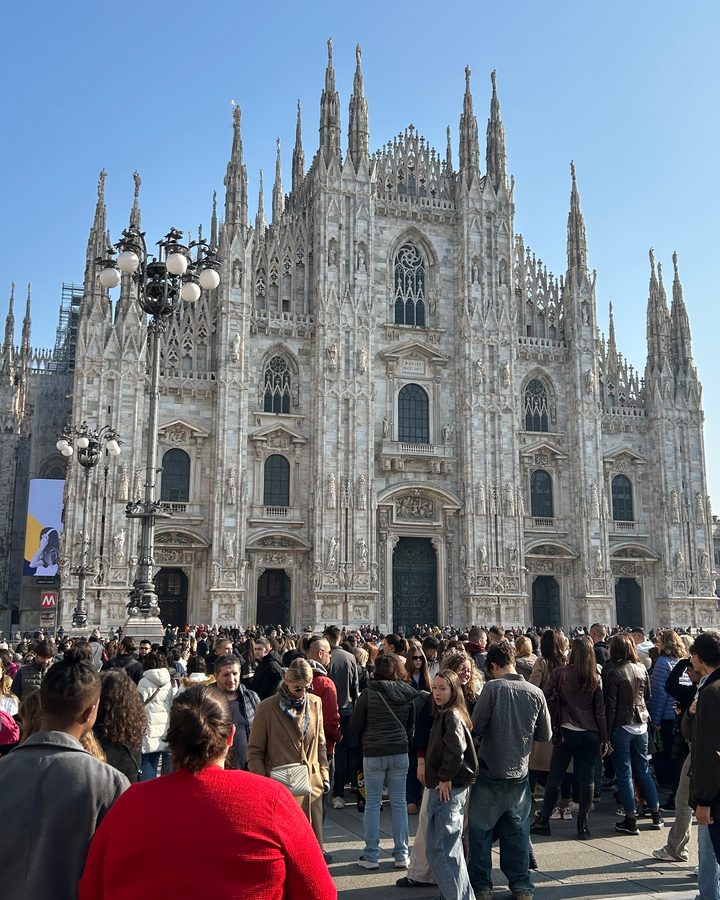
Travel is rarely just about the destination for me. Warsaw became part of the System of a Down experience, just as Milan will always be connected to seeing Yann Tiersen live.

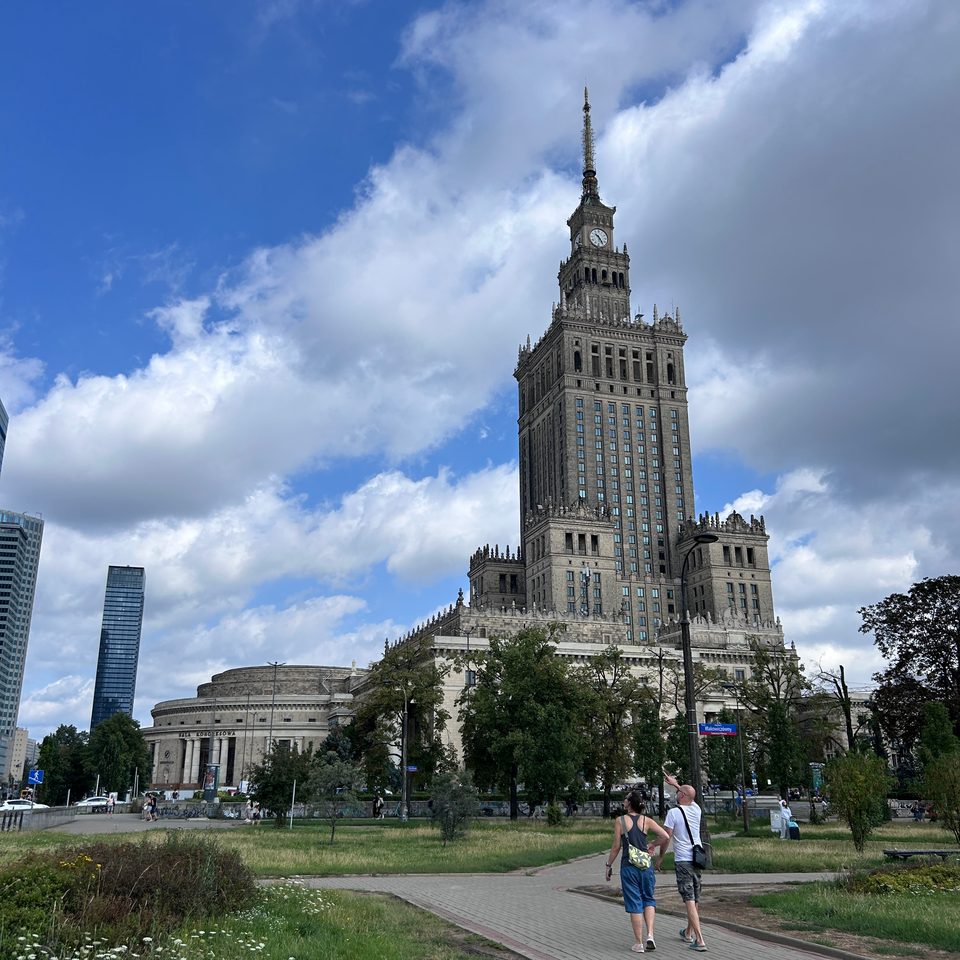
My most recent trip was a solo visit to Warsaw. Travelling alone was different from the trips I was used to: I could set my own pace, change plans whenever I wanted and simply explore the city around the concert.

There are still places I’d love to see one day. French Polynesia and the Bahamas are high on that list: turquoise water, white sand and the chance to experience marine life far beyond what I’ve seen so far.

French PolynesiaBahamasSomeday

  • The Palace of Culture and Science tower rising above trees under a cloudy blue sky, with a park path in the foreground.
  • The white marble façade of Milan Cathedral under a clear blue sky, with a crowd in the square in front.
    A live stage performance in warm orange light, with electronic equipment on a table in the foreground.

AI

More than a tool

AI first caught my attention because I wanted to understand how it could support my work. Somewhere along the way, it also became something I genuinely enjoy using and creating with.

What I don’t need is an AI assistant that agrees with everything I say. I personalise every tool I use to challenge me, question weak assumptions and tell me when there may be a better approach.

I return the favour. If an answer sounds convincing but doesn’t survive testing, I change it. If a suggestion adds unnecessary complexity, I reject it. If the first idea is weak, we keep working until it becomes something I’m prepared to stand behind.

That’s what makes AI more than a productivity tool for me. It gives me a practical way to learn, create and explore ideas that I couldn’t have implemented on my own before.

  1. Idea
  2. Challenge
  3. Test
  4. Change
  5. Result

Let’s talk

If you’re working on a finance, controlling or automation challenge where my experience could be useful, I’d be happy to hear from you.